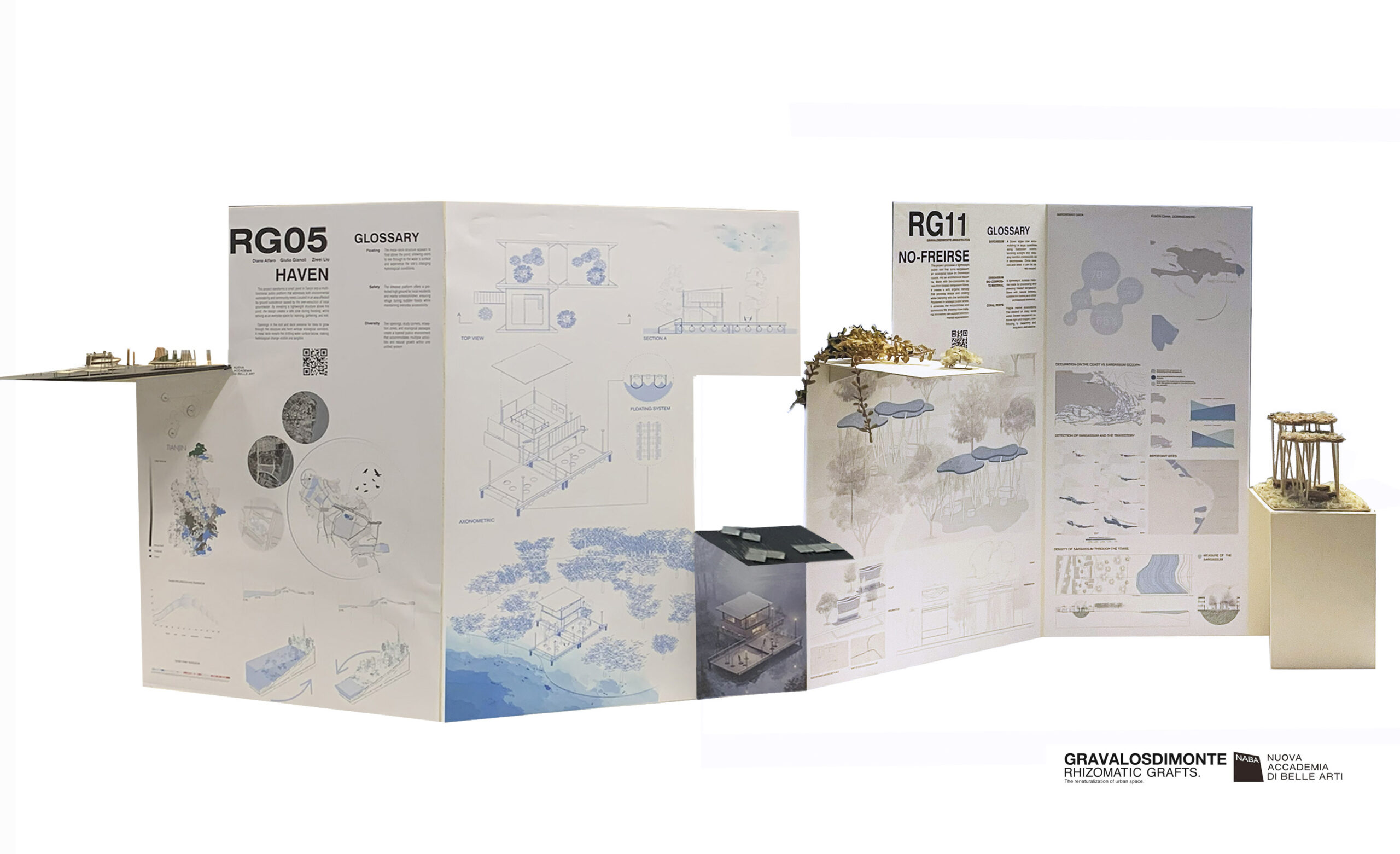
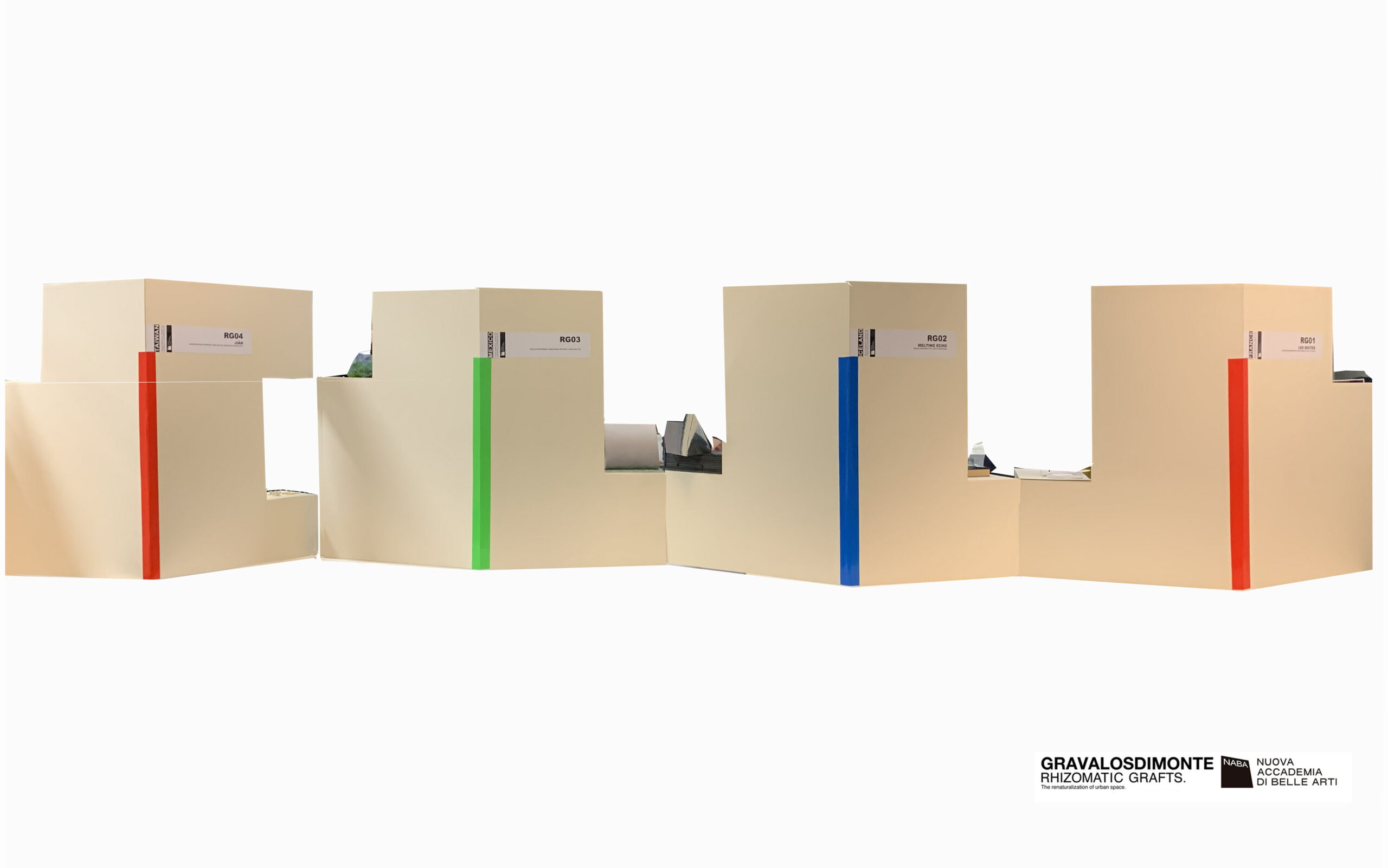
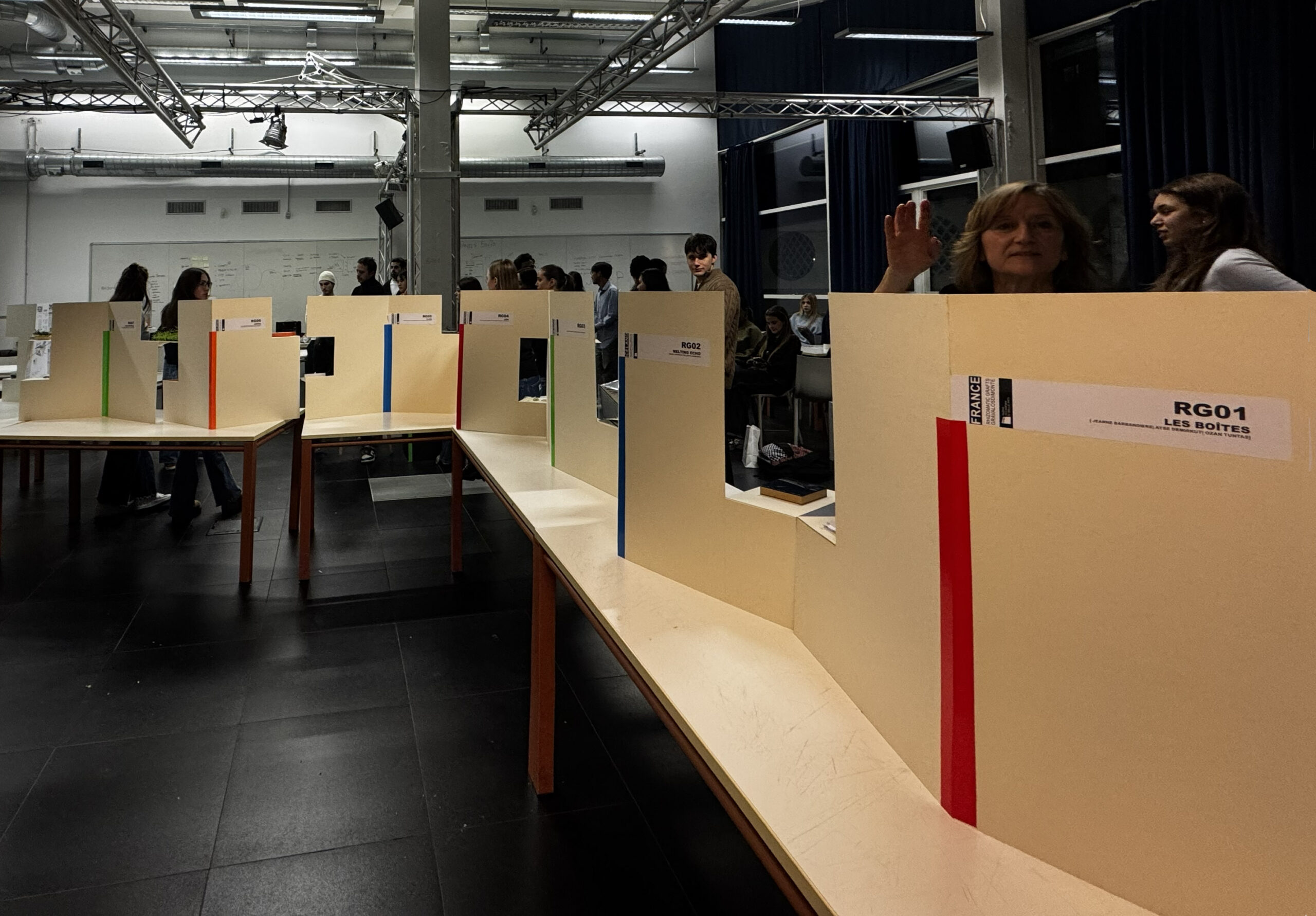
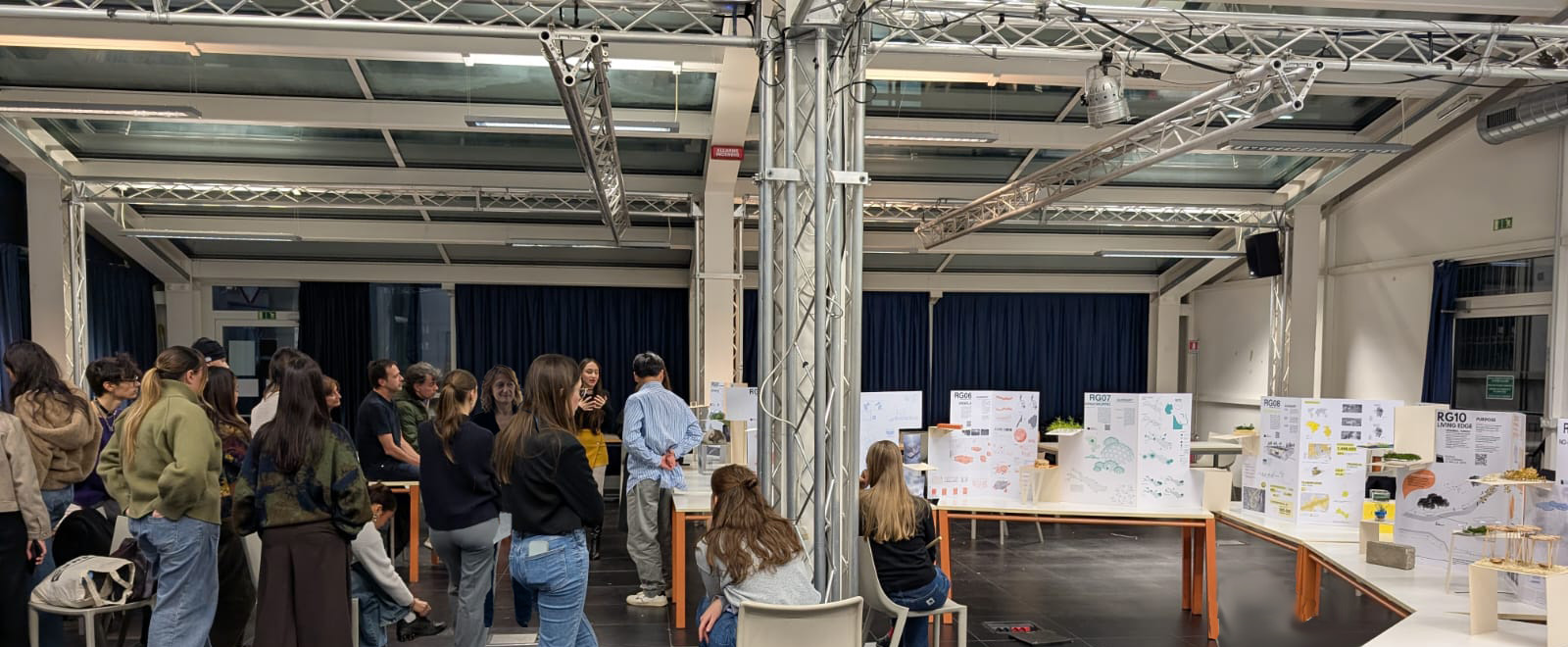
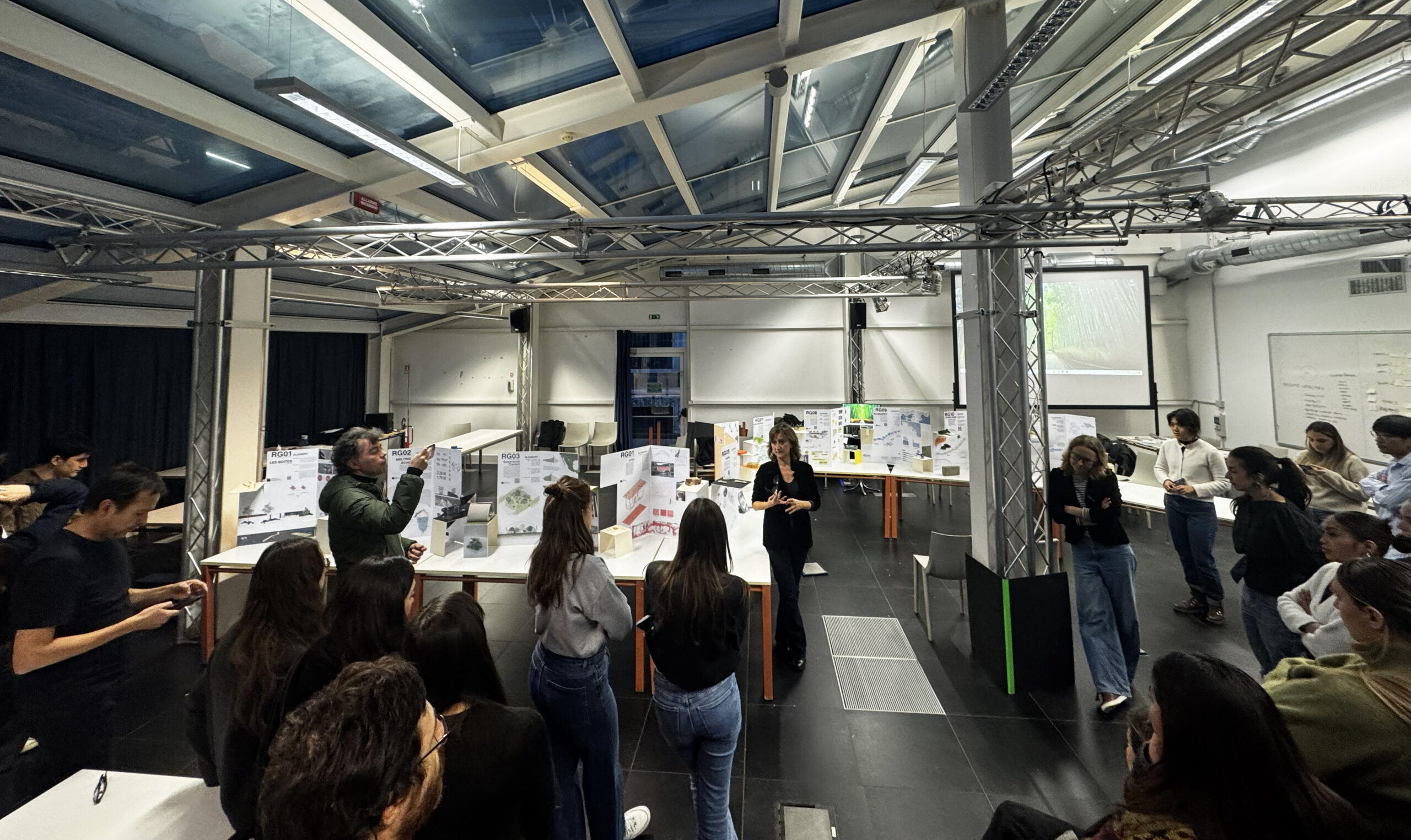
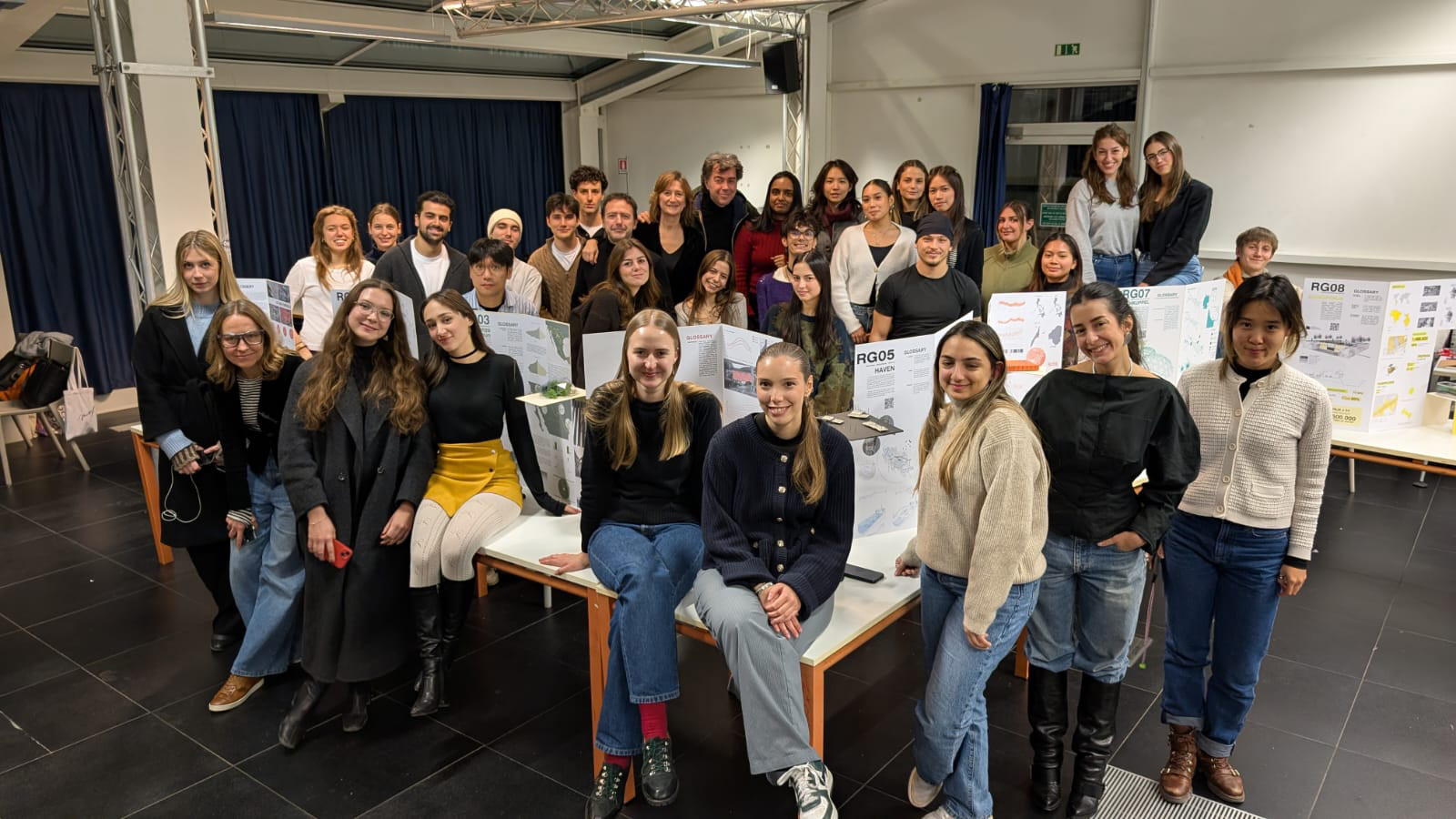
New academic course at NABA Nuova Accademia di Belle Arti, Milan.
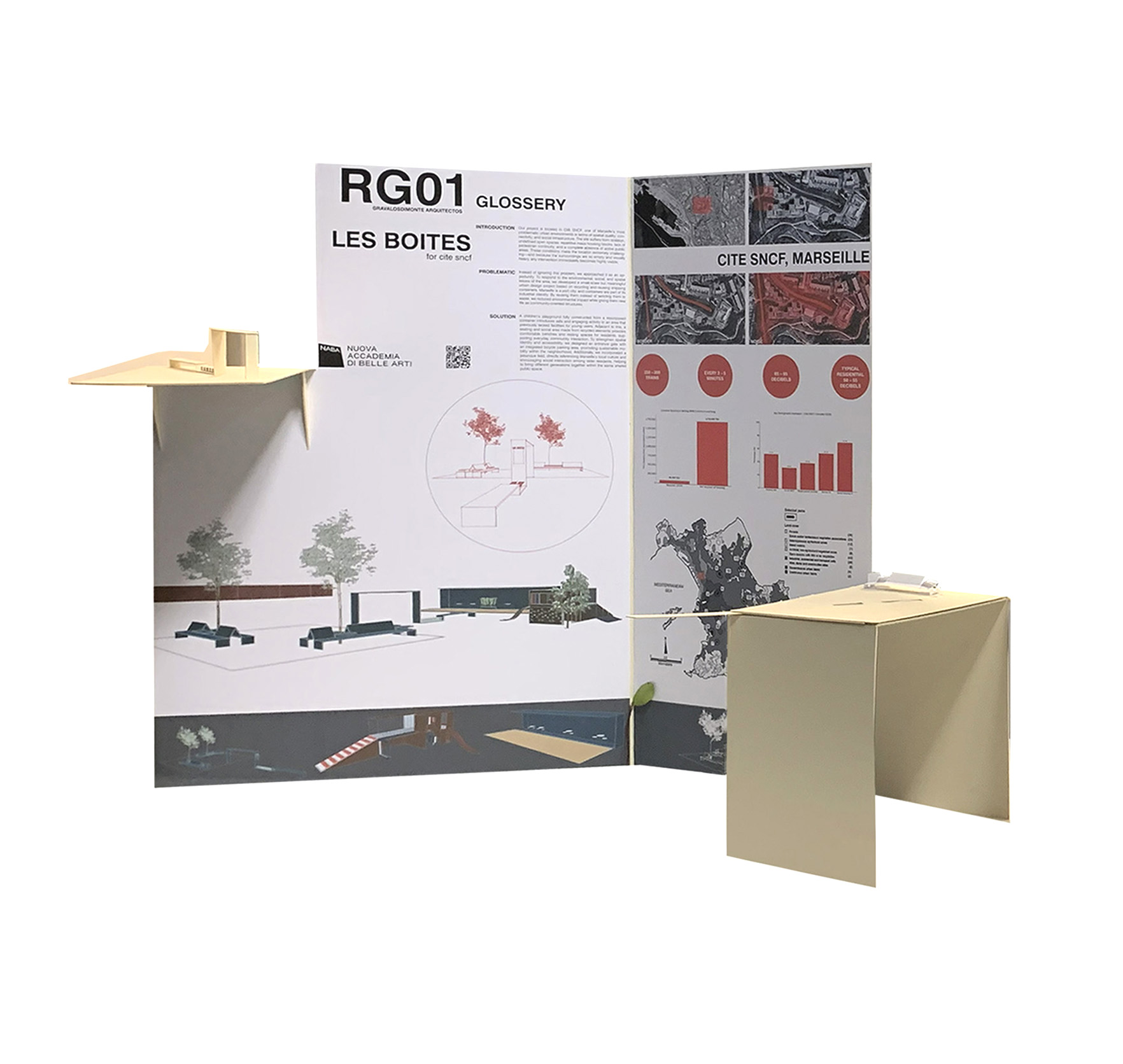
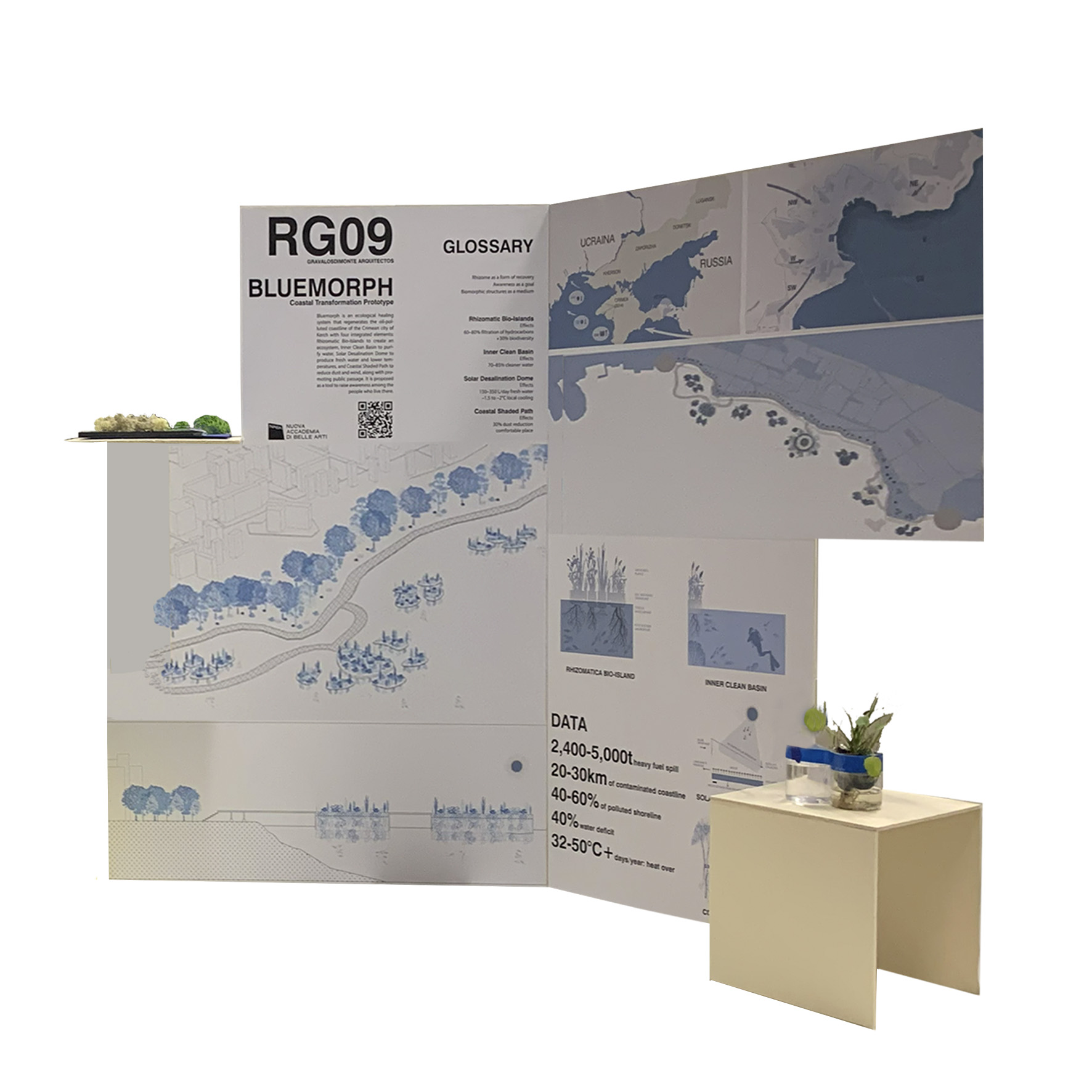
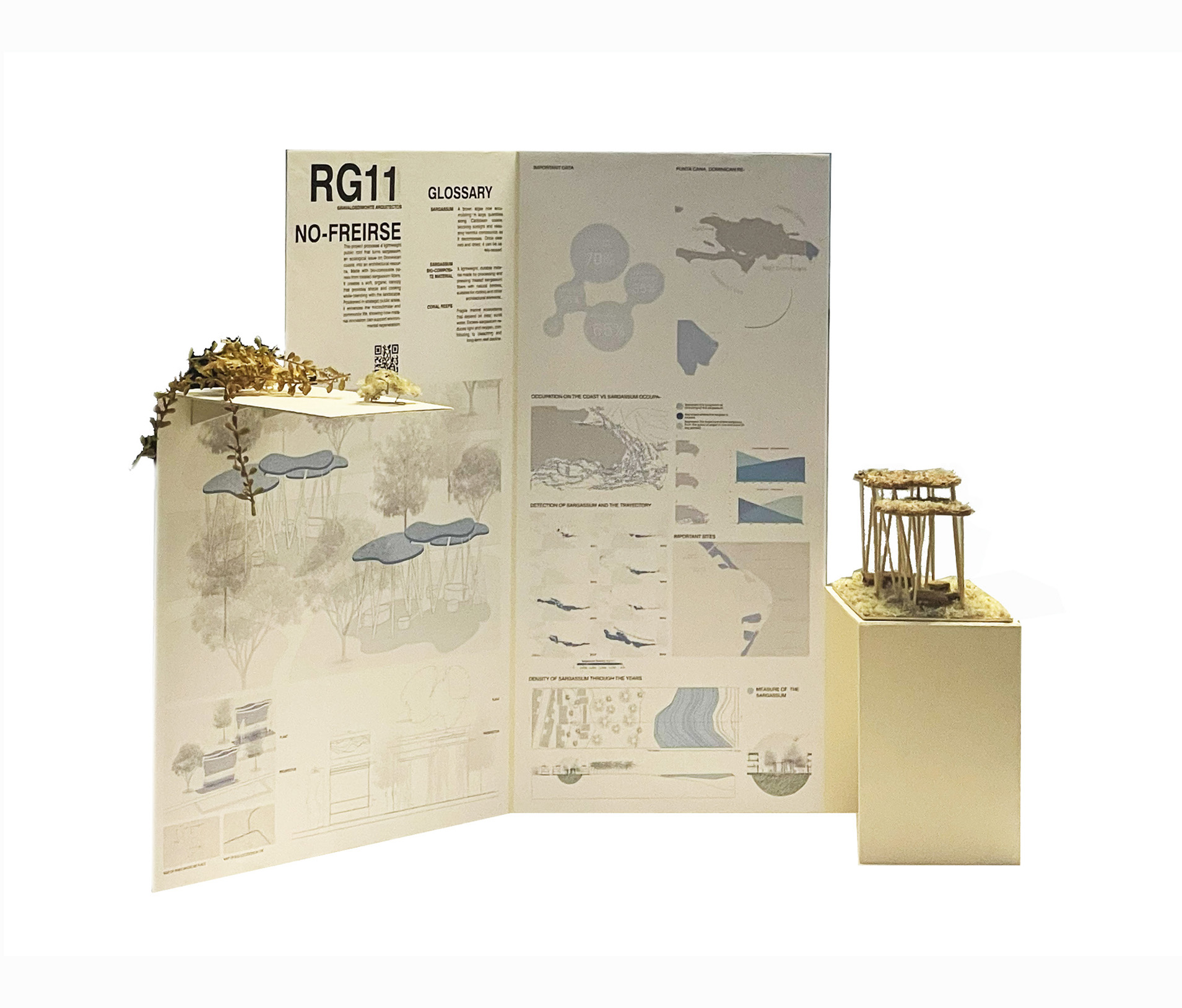
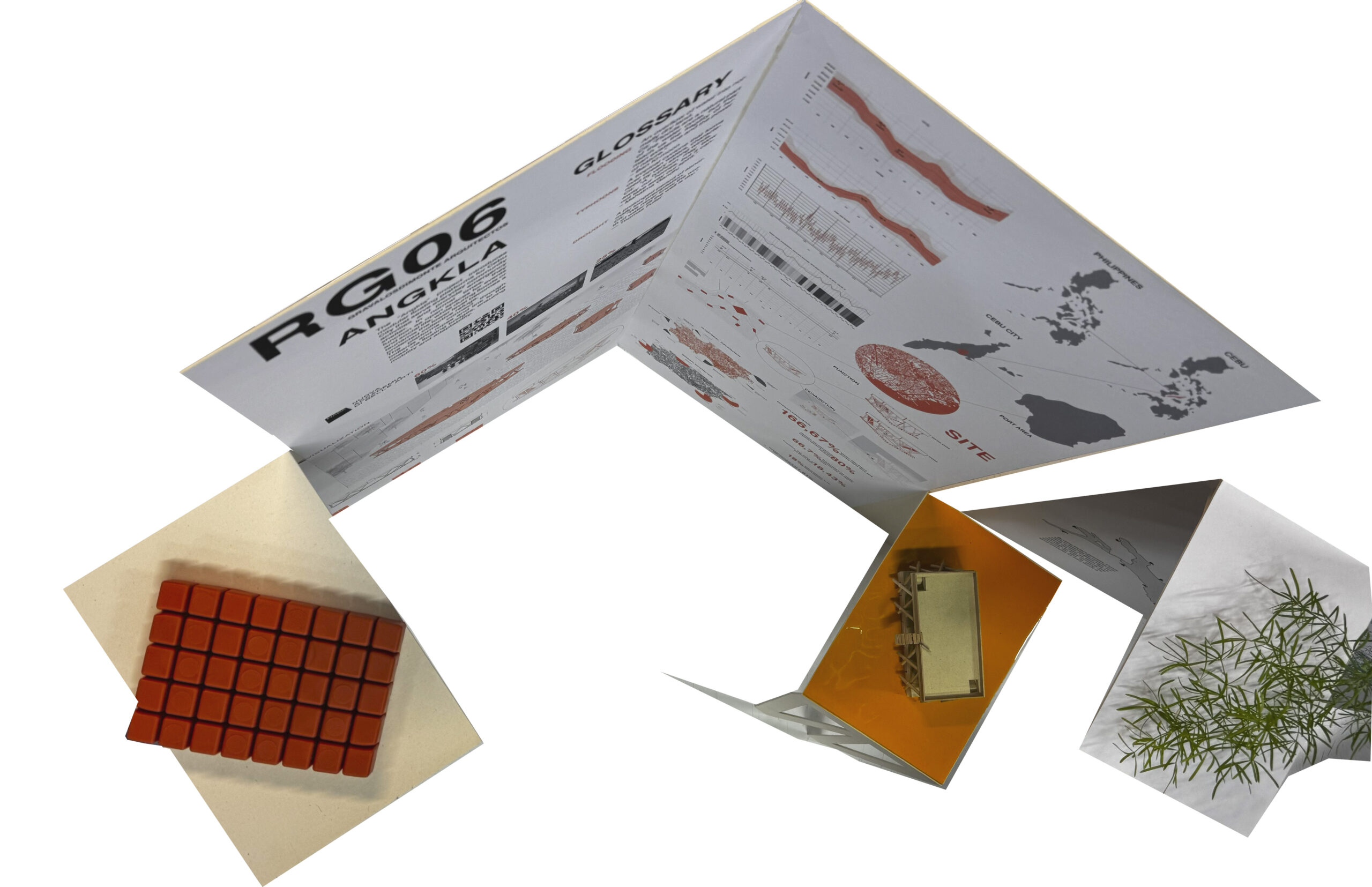
“RHIZOMATIC GRAFTS. The renaturaliztion of urban space” within the NABA program Matter Of Identity.
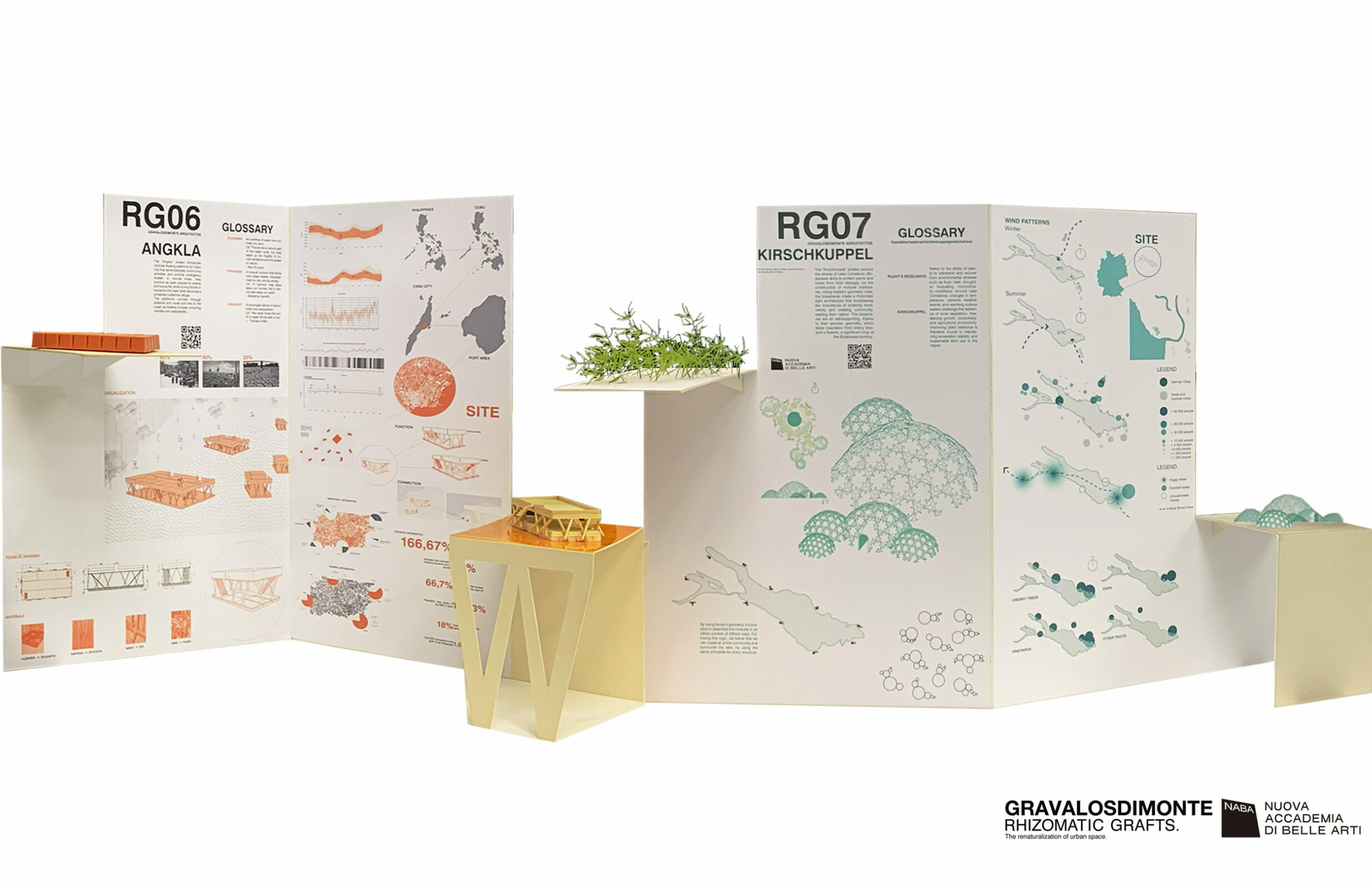
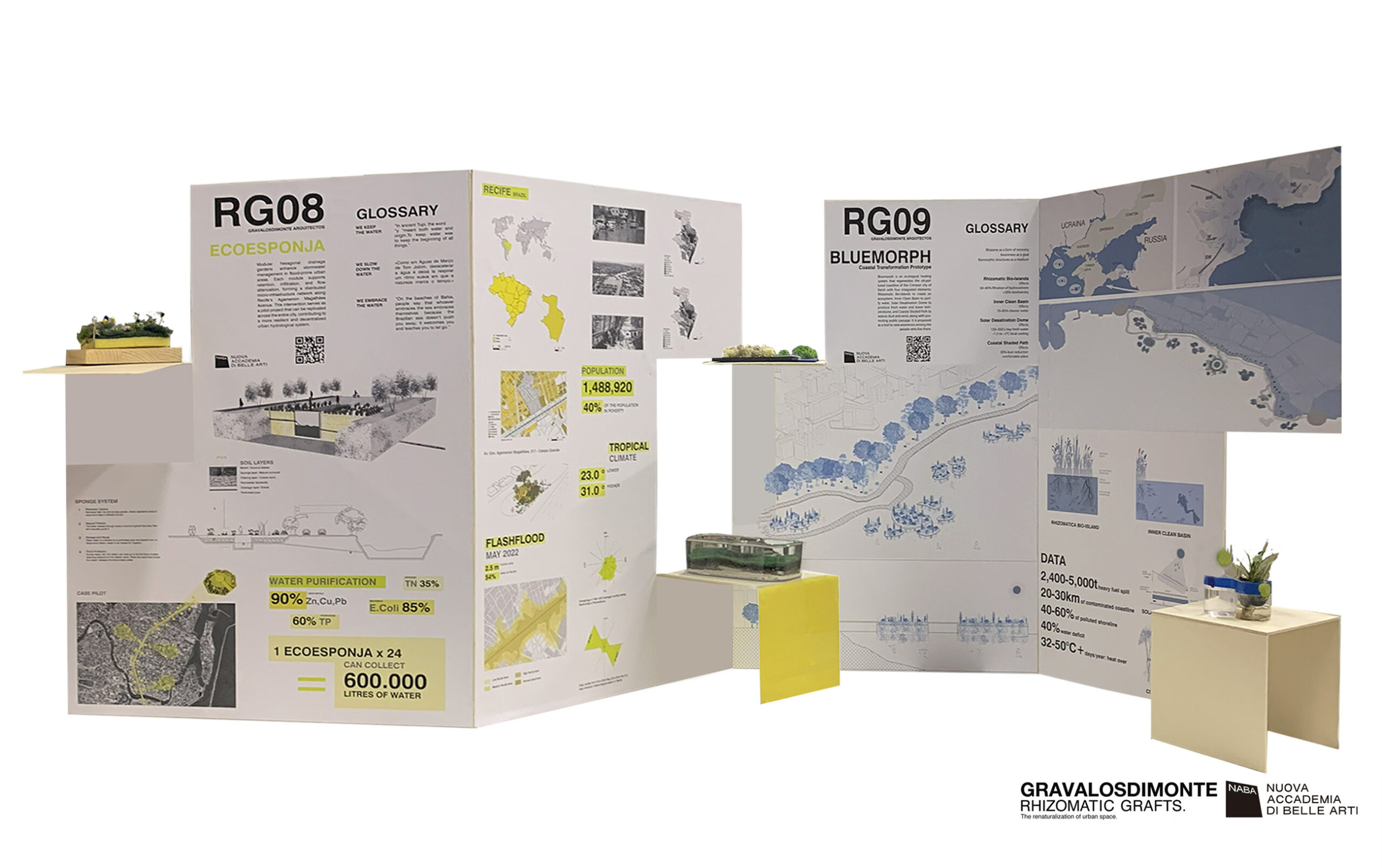
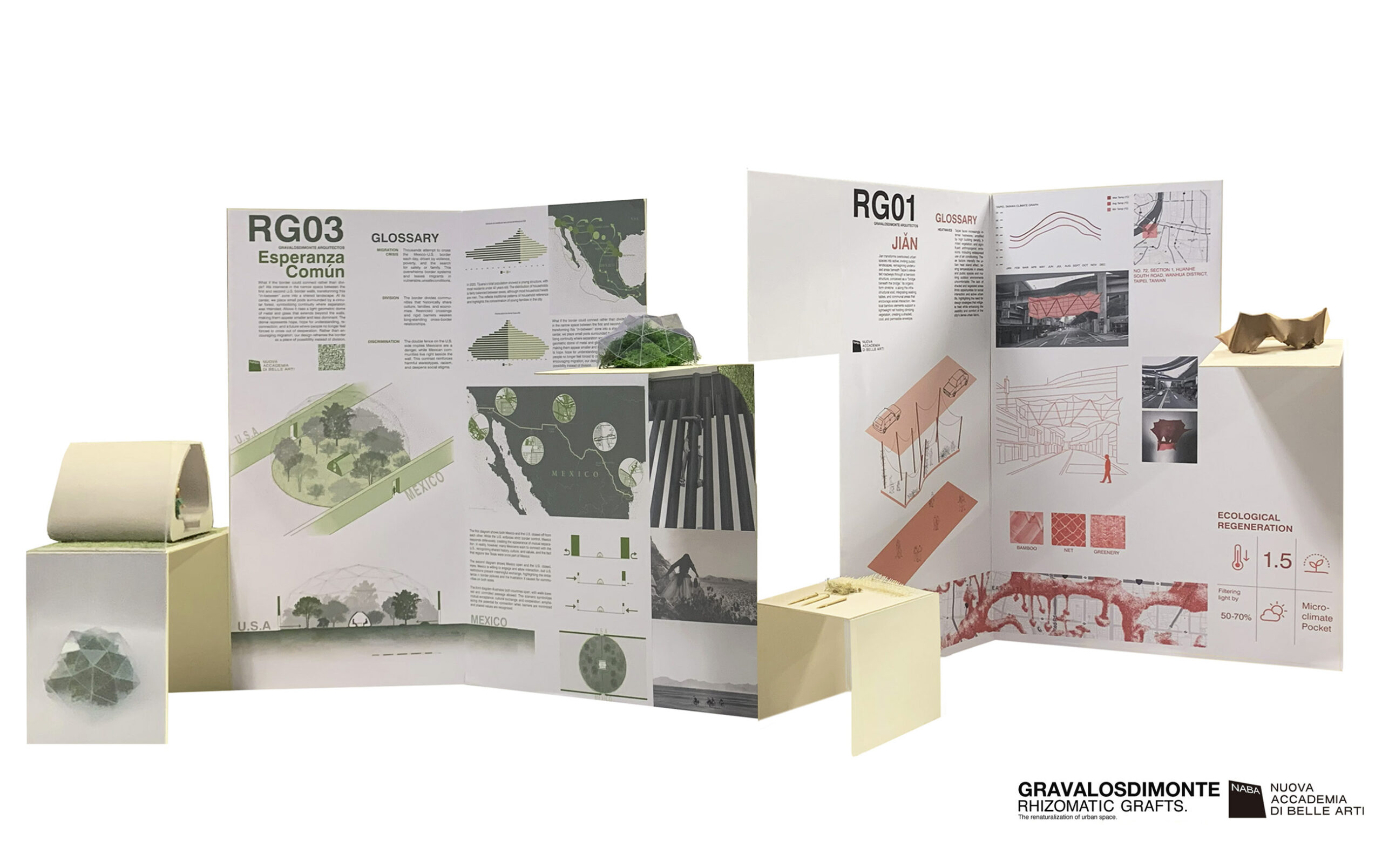
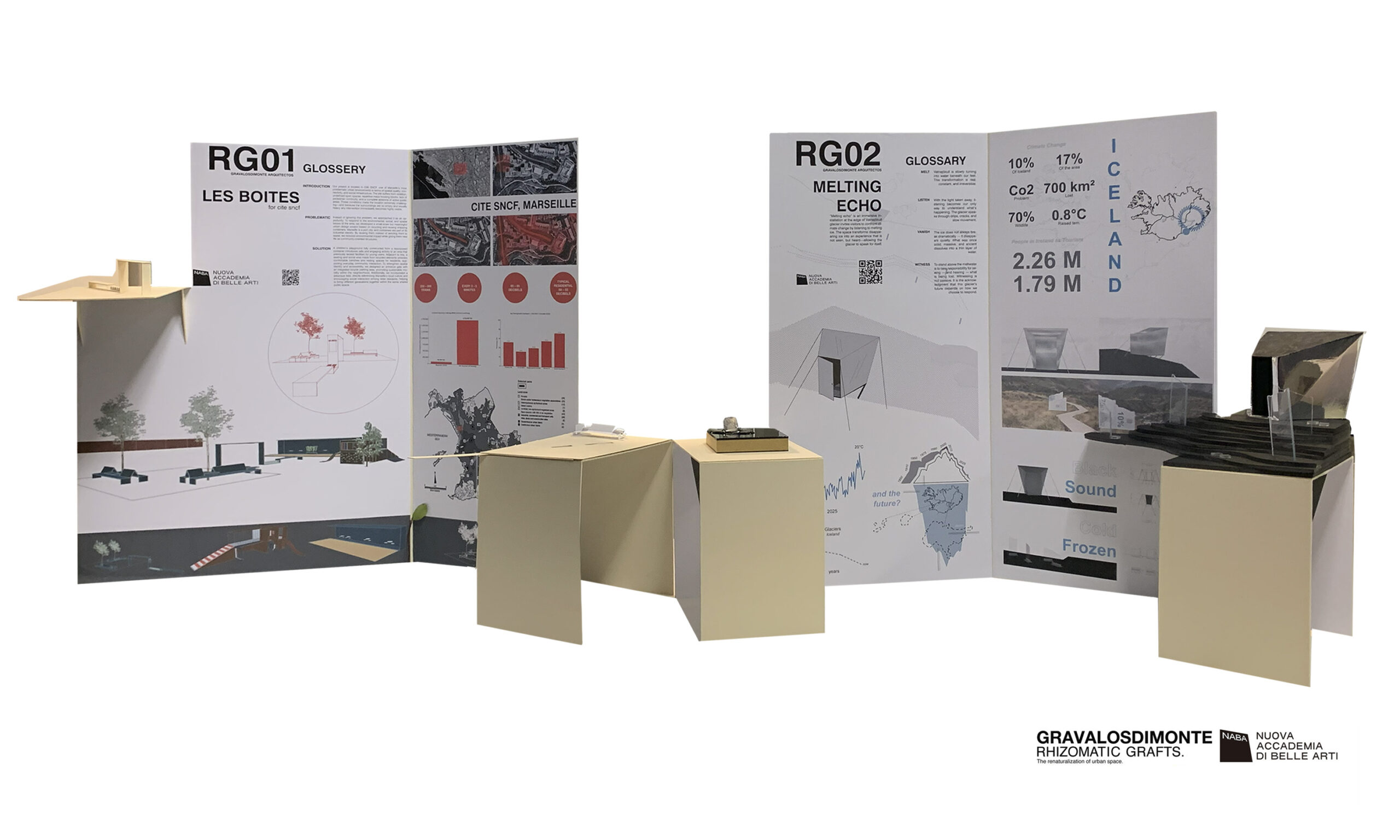
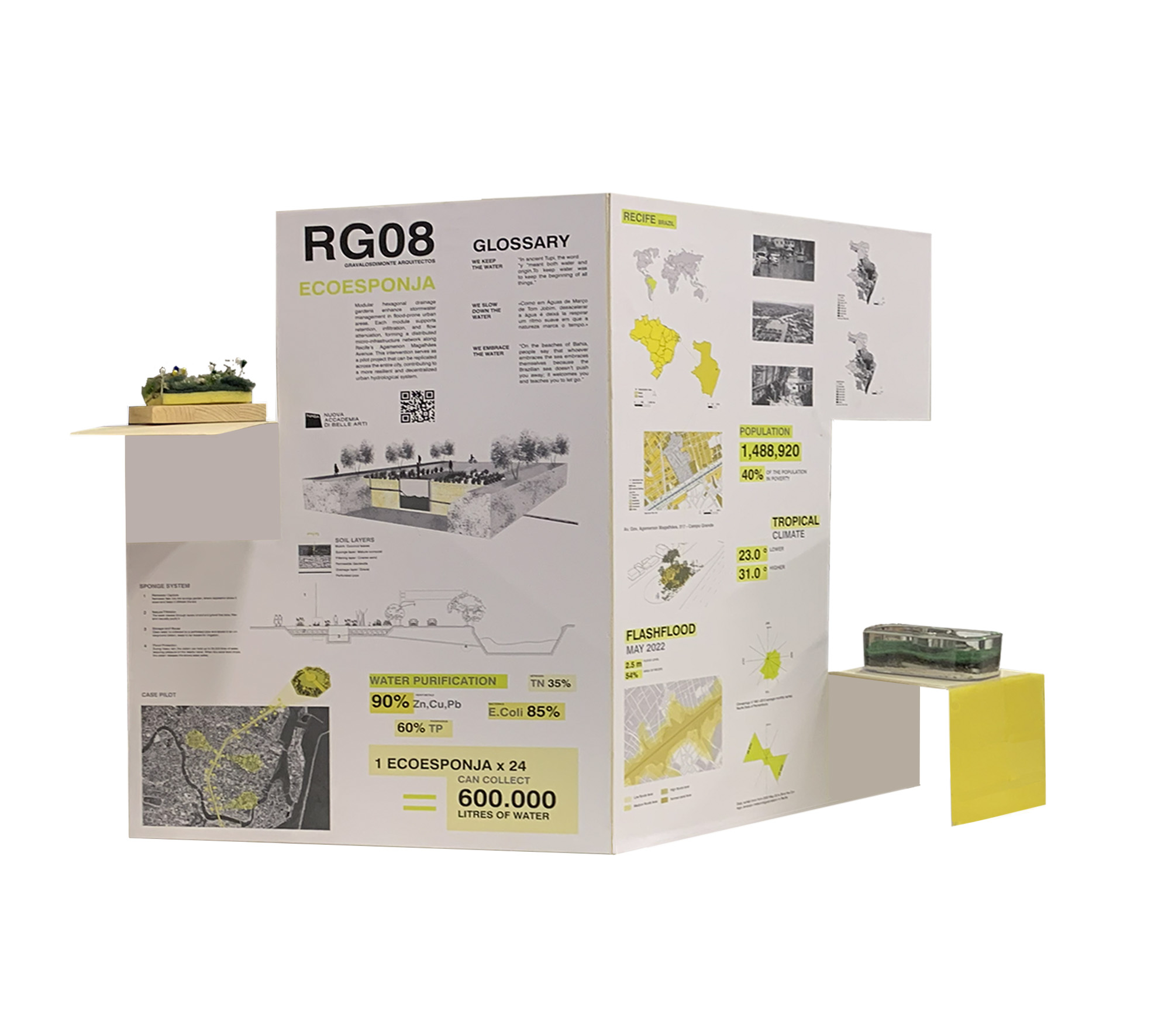
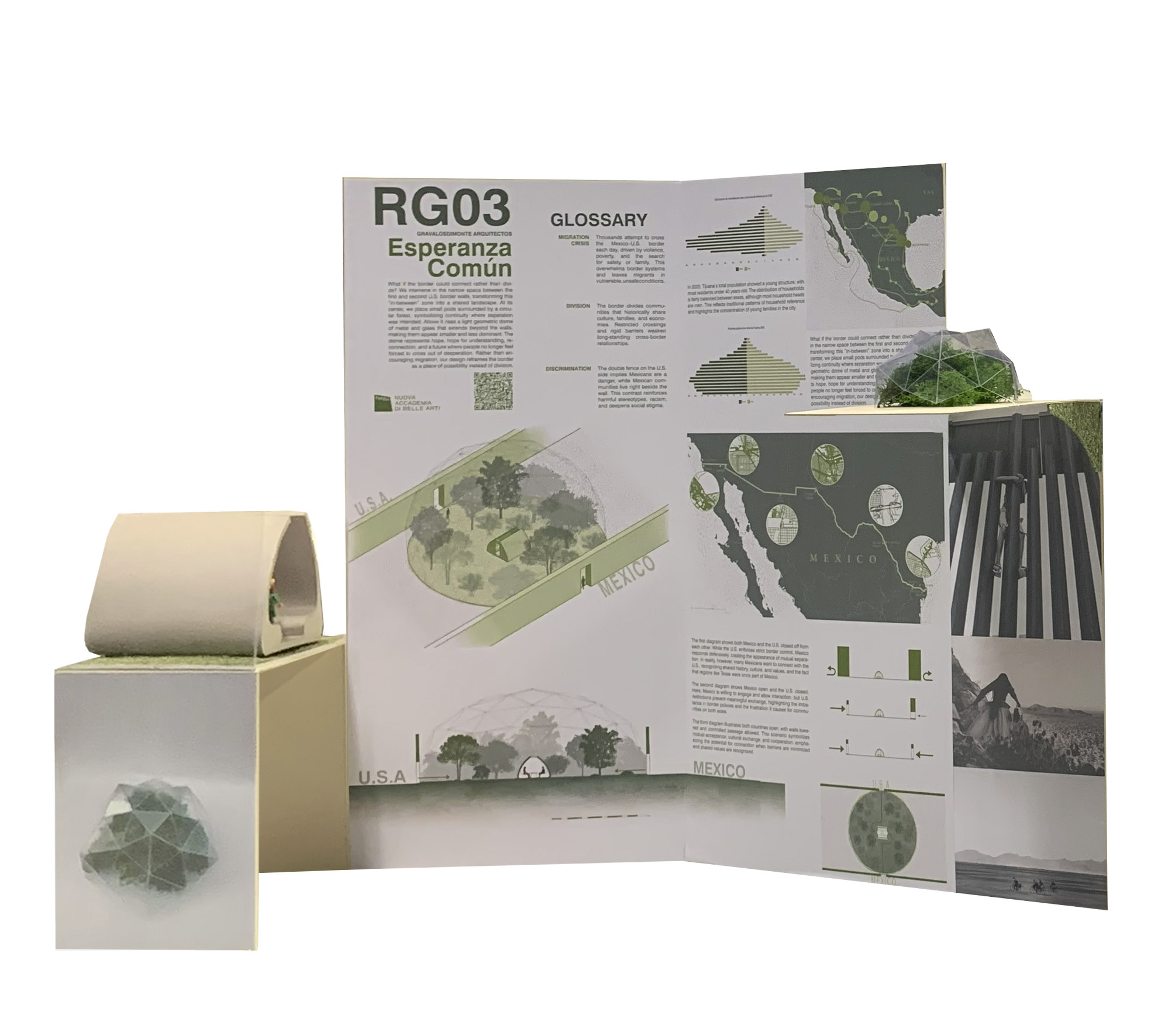
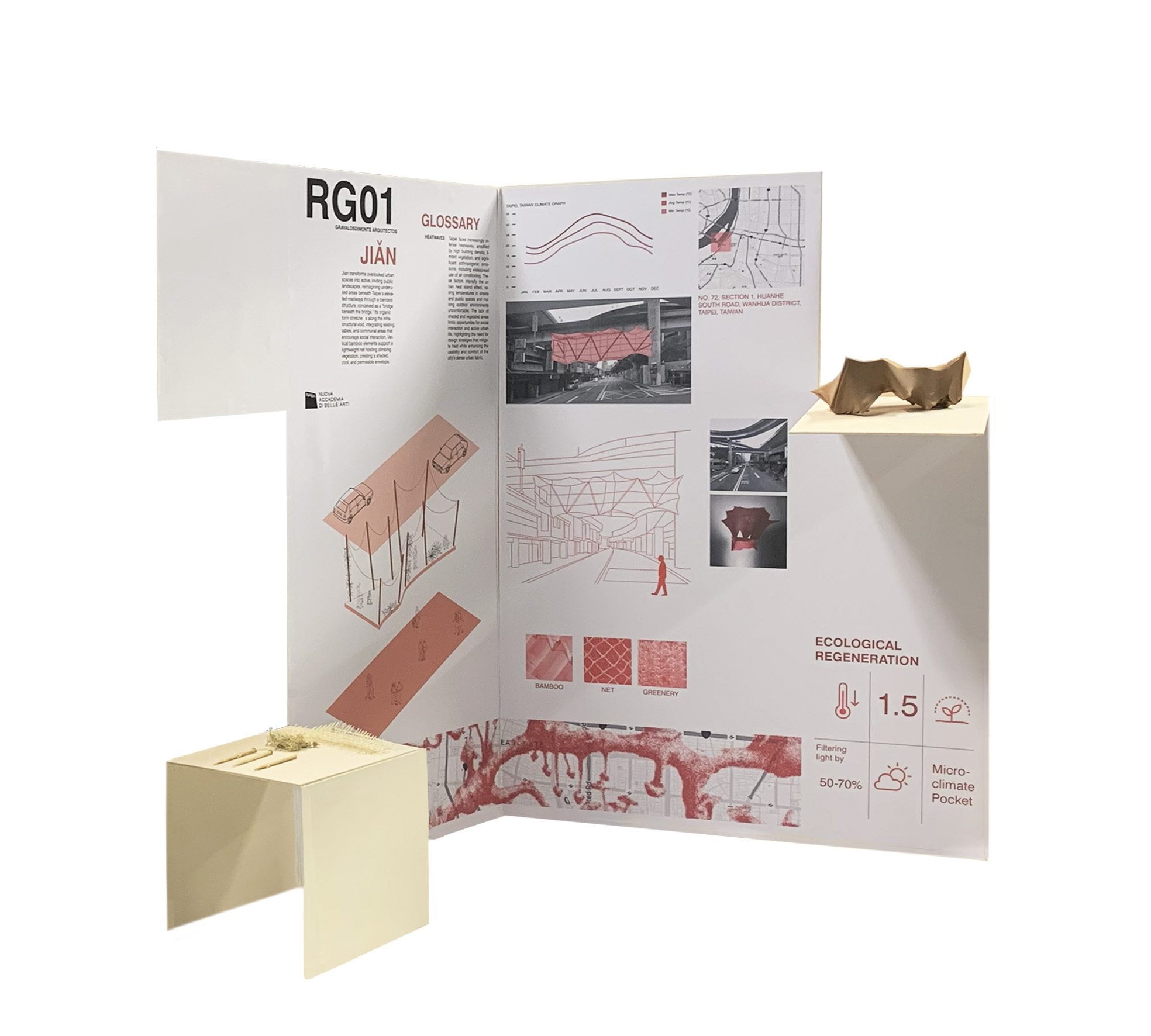
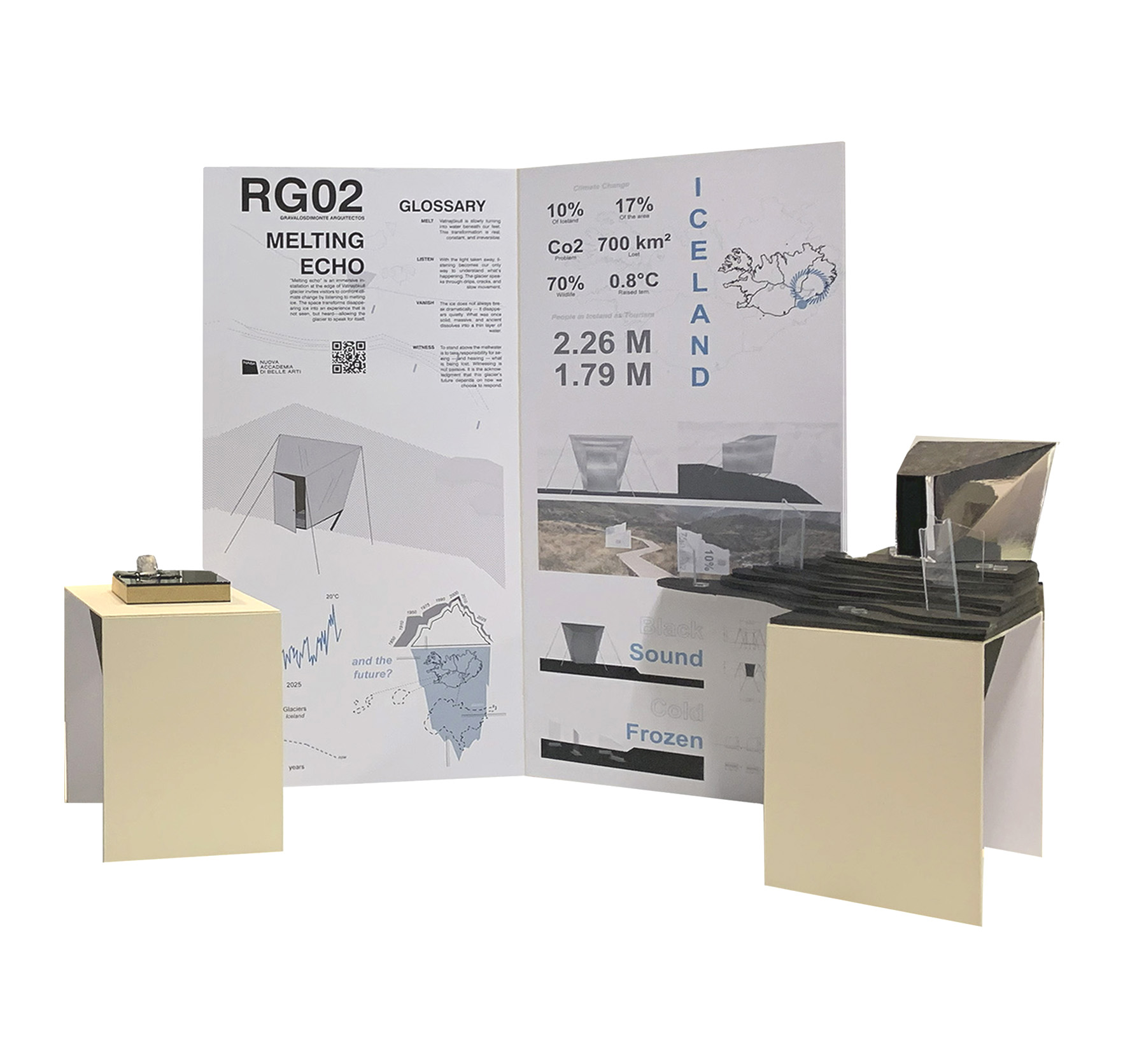
Faced with the growing impact of climate change, the way we inhabit and design urban space, must be urgently reimagined. Cities, as complex and already consolidated systems, demand strategies that are both localized and adaptive. In this context, public space becomes a critical arena—not only for environmental action, but also for reshaping the way people experience, share, and coexist in the city. This workshop explores the potential of enzymatic strategies capable of triggering broader processes of ecological regeneration.
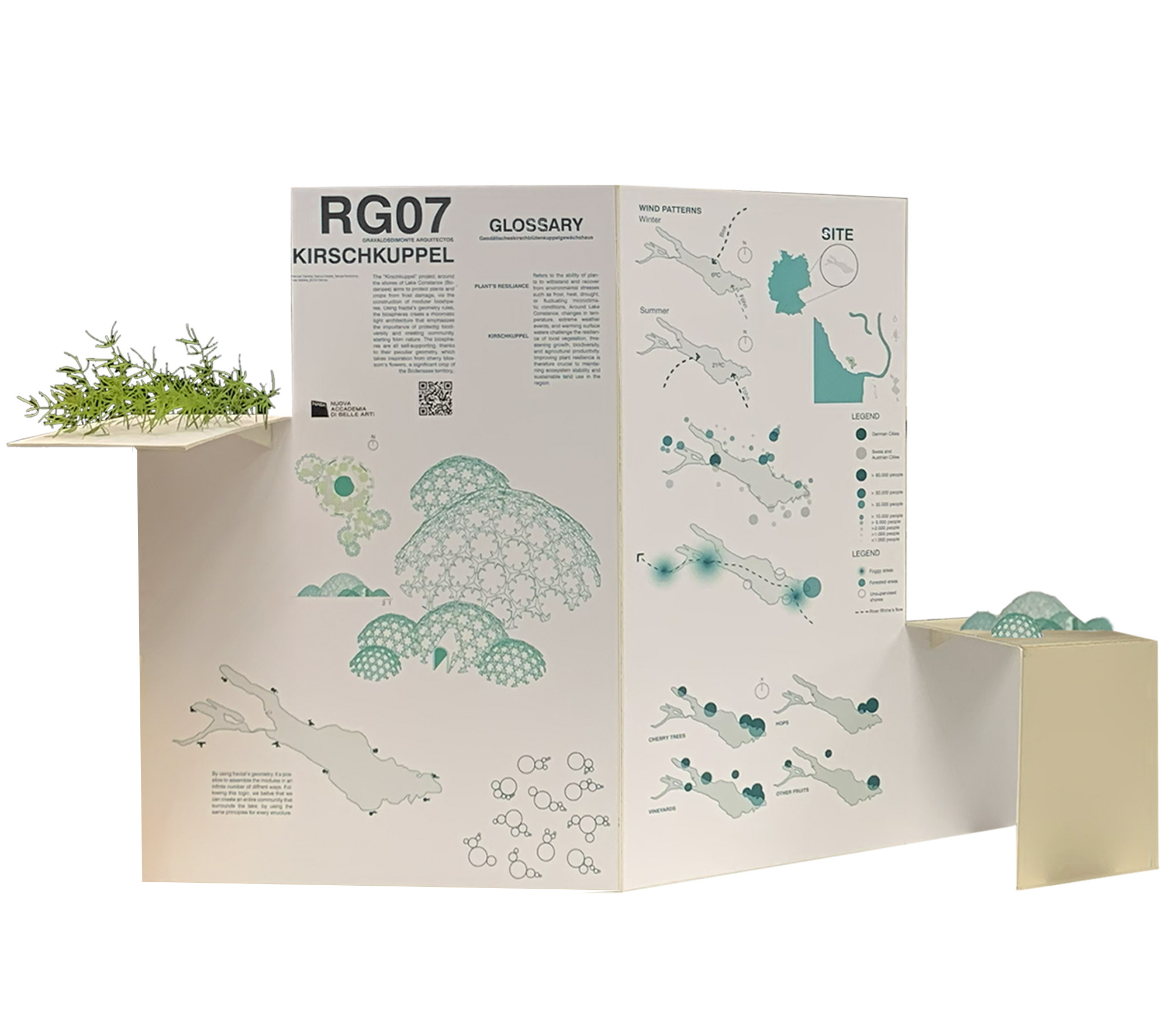
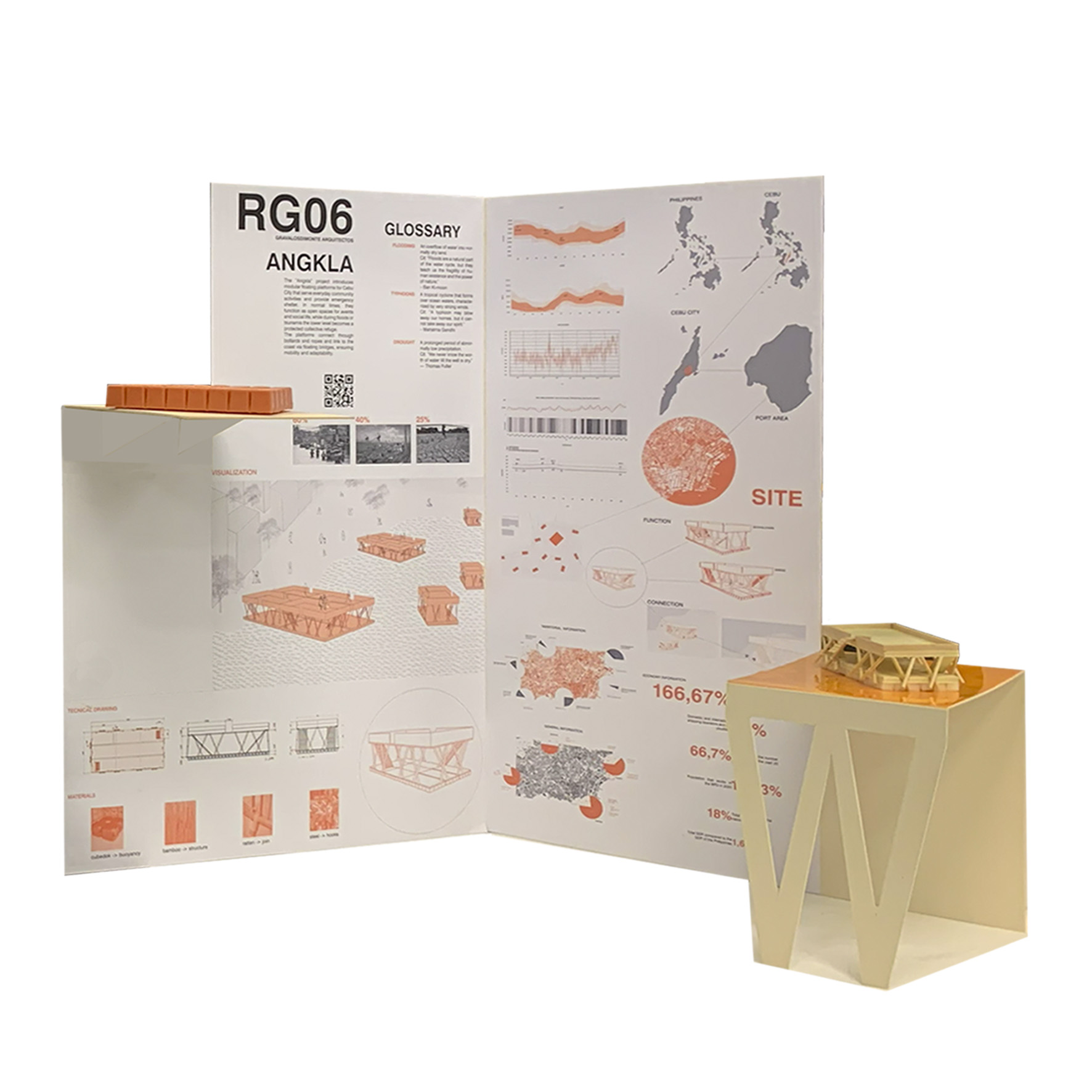
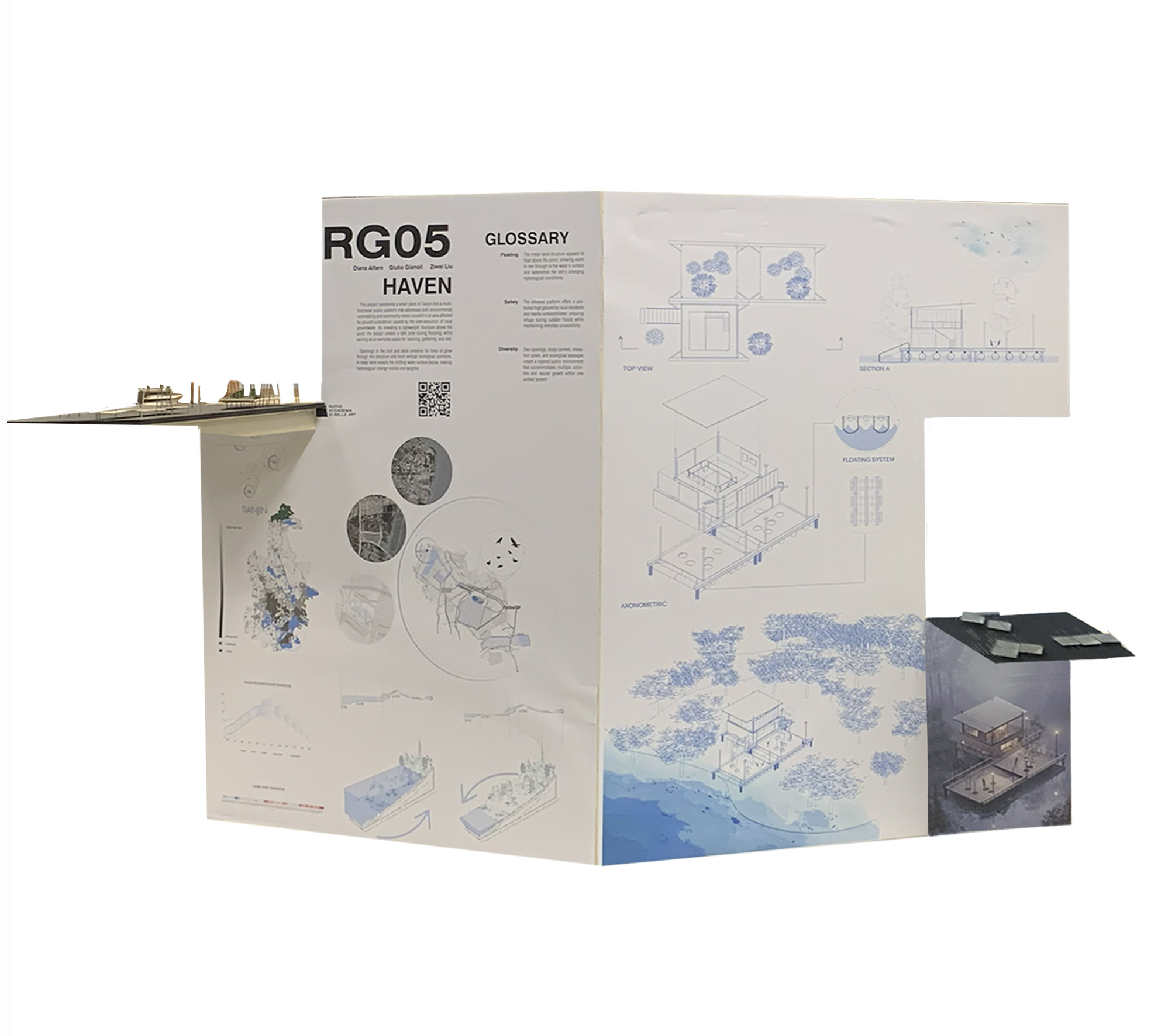
These rhizoma act as urban grafts, working to renaturalize spaces that are often harsh, impermeable, and disconnected from natural cycles. The goal is to improve the environmental performance of the city, while enhancing the habitability and quality of public life. Through these interventions, we aim to reintroduce nature into the urban fabric—not as a nostalgic return to the past, but as a forward-looking strategy that blends the artificial with the organic. These are not large-scale transformations, but urban “grafts” that stitch ecological function back into the everyday urban experience. They propose a hybrid condition—a “cyborg landscape”—that is at once resilient, sensorial, and human-centered.
The proposals are designed to address key environmental challenges: mitigating urban heat islands, regenerating degraded areas, decarbonizing through vegetation, capturing and reusing natural energy flows, improving air quality and microclimates, increasing soil permeability, promoting shade and moisture, and supporting biodiversity through pollinator-friendly planting. Yet beyond their environmental benefits, these interventions also aim to redefine how people relate to public space—creating places that are more inclusive, more comfortable, and more attuned to the rhythms of both humans and nature.
Design is deeply tied to its context, responding to local materials, social dynamics, and existing ecosystems. Rather than seeking a one-size-fits-all solution, the emphasis is on situated, replicable strategies that can evolve alongside the communities they serve. Ultimately, the renaturalization of urban space is not only about ecology—it’s about reclaiming the city as a space for life in all its forms.